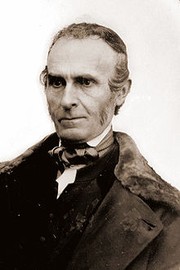
John Greenleaf Whittier
17 December 1807 – 7 September 1892
An American Quaker poet and advocate of the abolition of slavery in the United States. Frequently listed as one of the <i>Fireside Poets</i>, he was influenced by the Scottish poet Robert Burns (<a href=https://en.wikipedia.org/wiki/John_Greenleaf_Whittier>Wikipedia</a>).
Books
- Song of the negro boatman
- John Greenleaf Whittier, a sketch of his life
- The poetry of the Negro, 1746-1970
- Poems
- Home ballads and poems
- The song of the Vermonters, 1779
- The complete poetical works of John Greenleaf Whittier
- Gleanings from nature from Bryant, Longfellow & Whittier
- Lexington, -1775
- Maud Muller
- In war time, and other poems
- Saint Gregory's guest
- Christmastide
- Poems of Whittier
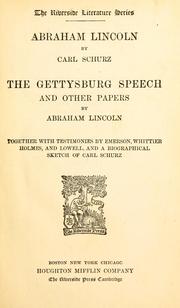
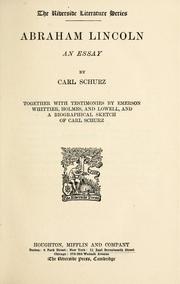
- Abraham Lincoln
- The poetical works
- We see the break of day
- Two letters on the present aspect of the Society of Friends
- The poetical works of John Greenleaf Whittier
- Old portraits and modern sketches
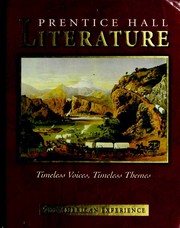
- Prentice Hall Literature--Timeless Voices, Timeless Themes--The American Experience
- Margaret Smith's journal
- Poems of the "Old South"
- Prentice Hall Literature--Silver
- Literary recreations and miscellanies
- Centennial hymn
- Songs of three centuries
- Burning drift-wood
- Whittier
- Poems
- Re-union of the schoolmates of John Greenleaf Whittier
- Poetical works
- Snow-bound
- Sumner
- The reunion
- The Red River voyageur
- Poems of John Greenleaf Whittier
- The journal of John Woolman
- Abraham Lincoln
- A Whittier treasury selected by the Countess of Portsmouth from the works of John Greenleaf Whittier
- The song of the Vermonters. 1779
- Supernaturalism of New England
- Haverhill public library dedication
- American literature
- Barbara Frietchie monument, Frederick, Md
- Poets and etchers
- Familiar poems, annotated
- The Boston Book: Being Specimens of Metropolitan Literature


Author data: Open Library