
Alberto Moravia
28 nov 1907 – 26 sep 1990
Alberto Moravia is an Italian journalist, short-story writer, and novelist known for his fictional portrayals of social alienation and loveless sexuality. He was a major figure in 20th-century Italian literature. Moravia contracted tuberculosis of the bone (a form of osteomyelitis usually caused by Mycobacterium tuberculosis) at the age of 8, but, during several years in which he was confined to bed and two years in sanatoriums, he studied French, German, and English; read Giovanni Boccaccio, Ludovico Ariosto, William Shakespeare, and Molire; and began to write. Moravia was a journalist for a time in Turin and a foreign correspondent in London. His first novel, Gli indifferenti (1929; Time of Indifference), is a scathingly realistic study of the moral corruption of a middle-class mother and two of her children. It became a sensation. Some of his more important novels are Agostino (1944; Two Adolescents); La Romana (1947; The Woman of Rome); La disubbidienza (1948; Disobedience); and Il conformista (1951; The Conformist), all on themes of isolation and alienation. La ciociara (1957; Two Women) tells of an adaptation to post-World War II Italian life. La noia (1960; The Empty Canvas) is the story of a painter unable to find meaning either in love or work. Many of Moravia's books were made into motion pictures. His books of short stories include Racconti romani (1954; Roman Tales) and Nuovi racconti romani (1959; More Roman Tales). Racconti di Alberto Moravia (1968) is a collection of earlier stories. Later short-story collections include Il paradiso (1970; “Paradise”) and Boh (1976; The Voice of the Sea and Other Stories). Most of Moravia's works deal with emotional aridity, isolation, and existential frustration and express the futility of either sexual promiscuity or conjugal love as an escape. Critics have praised the author's stark, unadorned style, his psychological penetration, his narrative skill, and his ability to create authentic characters and realistic dialogue. Moravia's views on literature and realism are expressed in a stimulating book of essays, L'uomo come fine (1963; Man as an End), and his autobiography, Alberto Moravia's Life, was published in 1990. He was married for a time to the novelist Elsa Morante. Copyright © 1994-2011 Encyclopædia Britannica, Inc. For more information visit Britannica.com - [Source][1] [1]: http://www.biography.com/people/alberto-moravia-9414103
Books
- Sipurim Eroṭiyim
- הקונפורמיסט
- Per un palestinese
- Ngân hàng tình yêu
- A quale tribù appartieni?
- 莫拉維亞小說選
- Disobedience
- L'amante infelice
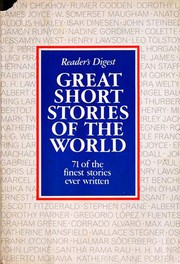
- Great Short Stories of the World
- ha-Mitbonen
- La disubbidienza
- הפשיסט
- The empty canvas
- Pier Paolo Pasolini, poète
- La Romana
- Passeios africanos
- Boh
- La rivoluzione culturale in Cina, ovvero il convitato di pietra
- I Promessi Sposi
- La mascherata
- La noia
- Lʹuomo come fine e altri saggi
- La romana
- Conjugal love
- Gli indifferenti
- Bitter honeymoon
- The Lie
- More Roman tales
- O Indiji
- L'America degli estremi
- Venice, the Naya Collection
- La mascherata
- Gli Indifferenti
- The Lie
- Teatro di Moravia
- Poesie
- I sogni del pigro
- Racconti romani
- Paintings, gouaches and drawings from the collection of Helena Rubinstein, Princess Gourielli
- L'Amore coniugale
Author data: Open Library