
Thomas Mann
6 June 1875 – 12 August 1955
Thomas Mann was a German novelist, short story writer, social critic, philanthropist, essayist, and 1929 Nobel Prize laureate, known for his series of highly symbolic and ironic epic novels and novellas, noted for their insight into the psychology of the artist and the intellectual. His analysis and critique of the European and German soul used modernized German and Biblical stories, as well as the ideas of Goethe, Nietzsche, and Schopenhauer. His older brother was the radical writer Heinrich Mann, and three of his six children, Erika Mann, Klaus Mann and Golo Mann, also became important German writers. When Hitler came to power in 1933, the anti-fascist Mann fled to Switzerland. When World War II broke out in 1939, he emigrated to the United States, from where he returned to Switzerland in 1952. Thomas Mann is one of the most known exponents of the so called Exilliteratur. ([Source][1]) [1]: https://en.wikipedia.org/wiki/Thomas_Mann
Books
- Tonyo Kreger ; Tristan
- Buddenbrooklar
- Tūnyū Krūgar
- Prentice Hall Literature--Timeless Voices, Timeless Themes--World Literature
- Essai sur Kleist
- Désordre suivi de maitre et chien
- Joseph en Egypte
- Os melhores contos
- A montanha mágica
- Mário e o mágico
- O eleito
- Königliche Hoheit
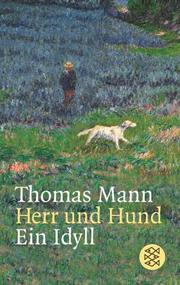
- Herr Und Hund
- Thomas Mann
- Le docteur Faustus
- La mort à Venise
- Avertissement à l'Europe
- José e seus irmãos
- A morte em Veneza
- As confissões de Félix Krull
- La mort à Venise
- Bilse und Ich
- ブッデンブロオク一家
- Kino
- Thought, action, and passion
- Die Wahlverwandtschaften
- Aldanan kadın
- Yusuf ve kardeşleri
- Lotte Weimar'da
- Venedik'te ölüm
- Duktur Faustūs
- Maqālāt-i Tūmās Mān
- The theme of the Joseph novels
- Erzählungen
- Appels aux Allemands
- Thomas Mann, 1875-1955
- Doktor Faustus
- Değişen kafalar
- Seçilen
- Küçük Herr Friedemann
- Great short stories of the masters
- Understanding fiction -- Second Edition
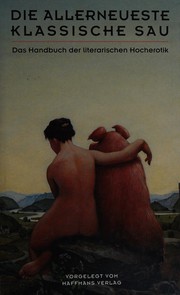
- Die allerneueste klassische Sau


Author data: Open Library