
Jean Toomer
1894 – 1967
Jean Toomer (born Nathan Pinchback Toomer; December 26, 1894 – March 30, 1967) was an American poet and novelist commonly associated with the Harlem Renaissance, though he actively resisted the association, and modernism. His reputation stems from his novel Cane (1923), which Toomer wrote during and after a stint as a school principal at a black school in rural Sparta, Georgia. Jean resisted being classified as a Negro writer, as he identified as "American". For more than a decade Toomer was an influential follower and representative of the pioneering spiritual teacher G.I. Gurdjieff. Later in life he took up Quakerism. Toomer continued to write poetry, short stories and essays. His first wife died soon after the birth of their daughter. After he married again in 1934, Toomer moved with his family from New York to Doylestown, Pennsylvania. There he became a member of the Religious Society of Friends (also known as Quakers) and retired from public life. His papers are held by the Beinecke Rare Book Library at Yale University.
Books
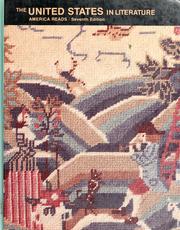
- The United States in Literature [with three long stories] -- Seventh Edition1952
- D.C. Noir 2. The Classics
- Prentice Hall Literature
- Cane
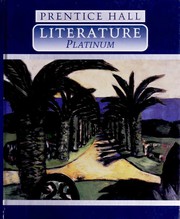
- Prentice Hall Literature--Timeless Voices, Timeless Themes--Platinum
- Interpretation of Friends Worship (Start Classics)
- Caña
- Balo
- Jean Toomer
- Problems of civilization
- An interpretation of Friends worship
- The uncollected works of American author Jean Toomer, 1894-1967
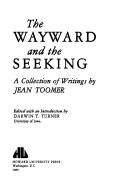
- The wayward and the seeking
- Brother mine
- Prentice Hall Literature -- Platinum
- Prentice Hall Literature [Grade Ten]
- The poetry of the Negro, 1746-1970
- Song of the son
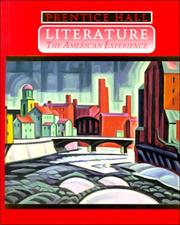
- Prentice Hall Literature--Timeless Voices, Timeless Themes--The American Experience
- Prentice Hall Literature--The American Experience
- Essentials
- Kabnis
- Drama of the Southwest
- The letters of Jean Toomer, 1919-1924
- The flavor of man
- A Jean Toomer reader
- Poems
- Essentials
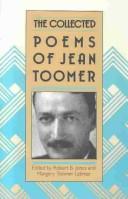
- The collected poems of Jean Toomer












Author data: Open Library