Harry J. Holzer
1957
Books
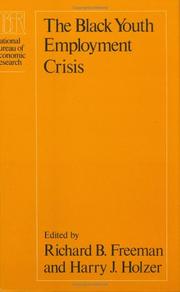
- The Black youth employment crisis
- Detroit divided
- Employer skill needs and labor market outcomes by race and gender
- Customer discrimination and employment outcomes for minority workers
- Are jobs available for disadvantaged workers in urban areas?
- Employers and welfare recipients
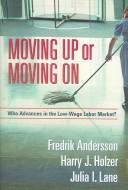
- Moving up or moving on
- Employment, unemployment and demand shifts in local labor markets
- What does affirmative action do?
- Employer hiring decisions and antidiscrimination policy
- Employers in the boom
- The determinants of employee productivity and earnings
- Wages, employer costs, and employee performance in the firm
- Are affirmative action hires less qualified?
- Employer demand for welfare recipients by race
- The economics of affirmative action
- Spatial factors and the employment of Blacks at the firm level
- Job performance and retention among welfare recipients
- Employer demand, AFDC recipients, and labor market policy
- Trends in employment outcomes of young black men, 1979-2000
- Employer demand for ex-offenders
- Detroit divided
- Are affirmative action hires less qualified?
- Job vacancy rates in the firm
- Declining employment among young black men
- Employer demand for welfare recipients and the business cycle
- What does affirmative action do?
- Assessing affirmative action
- Structural/frictional and demand-deficient unemployment in local labor markets
- Why do small establishments hire fewer blacks than large ones?
- Will employers hire welfare recipients?
- Reshaping the American workforce in a changing economy
- Job change and job stability among less-skilled young workers
- Black applicants, black employees, and urban labor market poicy
- Collateral costs
- Asymmetries and rigidities in wage adjustments by firms
- Unemployment, vacancies, and local labor markets
- Will employers hire ex-offenders?
- Escaping low earnings
- Moving up or moving on




Author data: Open Library