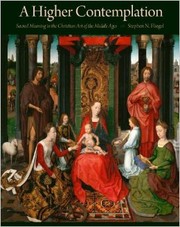
During the Middle Ages, religious art had a variety of functions and was prevalent in churches, public spaces, and private homes. Sculptures and paintings were used as altarpieces, movable images, choir screens, piers or niches, and reliquaries. They were placed behind, above, or near altars as well as on pulpits, lecterns, building exteriors, holy water fonts, tombs, and roadside shrines. They were also used for private devotion in the home. In addition to the obvious didactic function of religious images in medieval art, they filled other needs of both the beholder and the church: veneration. Candles were lit and censed before the sacred images; offerings were made in the name of the figures who were honored and cherished in a very direct way. Sacred images, served to remind Christians of the pious and virtuous lives of the saints and of their sacrifices and were an aid to meditation,. They embellished sacred spaces, giving them an otherworldly luster. Sacred art was an important ingredient in the formative power and energy of medieval piety. Some of the most profound and enduring works of art in Western civilization were produced for private devotion and public worship. Indeed,
For young readers
Book data: Open Library