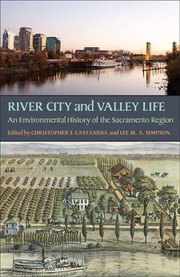
River City And Valley Life An Environmental History Of The Sacramento Region
"Often referred to as 'the Big Tomato,' Sacramento is a city whose makeup is significantly more complex than its agriculture-based sobriquet implies. In River City and Valley Life, seventeen contributors reveal the major transformations to the natural and built environment that have shaped Sacramento and its suburbs, residents, politics, and economics throughout its history. The site that would become Sacramento was settled in 1839, when Johann Augustus Sutter attempted to convert his Mexican land grant into New Helvetia (or 'New Switzerland'). It was at Sutter's sawmill fifty miles to the east that gold was first discovered, leading to the California Gold Rush of 1849. Nearly overnight, Sacramento became a boomtown, and cityhood followed in 1850. Ideally situated at the confluence of the American and Sacramento Rivers, the city was connected by waterway to San Francisco and the surrounding region. Combined with the area's warm and sunny climate, the rivers provided the necessary water supply for agriculture to flourish. The devastation wrought by floods and cholera, however, took a huge toll on early populations and led to the construction of an extensive levee system that raised
For young readers
Book data: Open Library