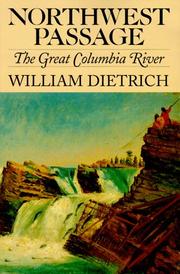
Northwest passage
the great Columbia River
When Lewis and Clark reached the Columbia River in 1805, they found a roaring and unruly river with a treacherous mouth and confusing course, boasting salmon runs without equal in the world. William Dietrich, Pulitzer Prize-winning reporter and author of The Final Forest, reveals the heroic stories, triumphant engineering, and disturbing taming of this powerful, beautiful river. Northwest Passage is a masterwork of history, geography, and science, a sweeping overview of the transformation of the Columbia from its geologic origins and aboriginal inhabitants to its pioneers, settlers, dam builders, farmers, and contemporary native Americans. The Columbia is the second largest river, by volume, in the U.S. and the largest on the west coast of the Western Hemisphere. Its terrain varies from rain forests with more than 100 inches of precipitation a year to desert with as little as 5 inches per year. It was once the most inexhaustible of rivers with as many as 16 million fish pushing up its 1,200-mile length each year to spawn and die in its hundreds of tributaries, a run supporting one of the most populous and complex native cultures on the continent. Before the European discovery of th
For young readers
Book data: Open Library