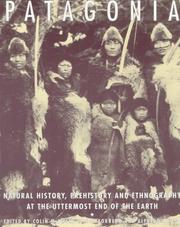
Patagonia
by Colin McEwan, Luis Alberto Borrero, Alfredo Prieto
Some fourteen to ten thousand years ago, as ice-caps shrank and glaciers retreated, the first bands of hunter-gatherers began to colonise the continental extremity of South America - 'the uttermost end of the earth'. Their arrival marked the culmination of mankind's epic journey to people the globe. These intrepid nomads confronted a hostile climate every bit as forbidding as ice-age Europe as they penetrated and settled the wilds of Fuego-Patagonia. Much later, sixteenth-century European voyagers encountered their descendants: the Aonikenk (southern Tehuelche), Selk'nam (Ona), Yomana (Yahgan) and Kaweskar (Alakaluf), living, as they saw it, in a state of savagery. The first contacts led to tales of a race of giants and, ever since, Patagonia has exerted a special hold on the European imagination. Tragically, by the mid twentieth century the last remnants of the indigenous way of life had virtually disappeared. The essays in this volume trace a largely unwritten history of human adaptation, survival and eventual extinction. They are published to accompany an exhibition on Fuego-Patagonia at the Museum of Mankind, London.
For young readers
Book data: Open Library