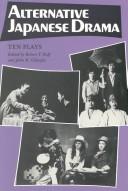
How do classical, highly codified theater arts retain the interest of today's audiences and how do they grow and respond to their changing circumstances? The eight essay presented here investigate these questions, examining the contemporary significance of the "classic" no and kyogen theater to Japan and the West. They explore the theatrical experience from many perspectives - those of theater, music, dance, art, literature, linguistics, philosophy, religion, history, and sociology. This volume marks the first time the contemporary position of classic Japanese theater has been so broadly investigated. The first group of essays addresses the values that serious dance-drama no and lively kyogen comedy hold for contemporary audiences around the world. Richard Emmert locates a definition of "no-ness" in the physical qualities of the actor's performance - qualities that facilitate artistic transmission and hence preservation. Arthur H. Thornhill III focuses on yugen as an aesthetic idea. Royall Tyler examines the plays as expressions of religious beliefs and religious points of view and suggests that, important as religious content is to the plays, it is not necessary to understand Budd
For young readers
Book data: Open Library