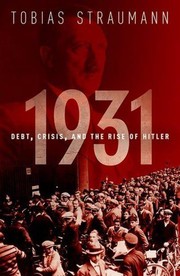
1931
Germany's financial collapse in the summer of 1931 was one of the biggest economic catastrophes of modern history. It led to a global panic, brought down the international monetary system, and turned a worldwide recession into a prolonged depression. The German crisis also contributed decisively to the rise of Hitler. Soon after the crisis, the Nazi Party became the largest party of the country which paved the way for Hitler's eventual seizure of power in 1933.0The reason for the financial collapse was Germany's large pile of foreign debt denominated in gold currency which condemned the government to cut spending, raise taxes, and lower wages in the middle of a worldwide recession. As the political resistance to this austerity policy grew, the German government began to question its debt obligations, prompting foreign investors to panic and sell their German assets. The resulting currency crisis led to the failure of the already weakened banking0system and a partial sovereign default.0Hitler managed to profit from the crisis, because he had been the most vocal critic of the reparation regime. As the financial system collapsed, his relentless attacks against foreign creditors and th
For young readers
Book data: Open Library