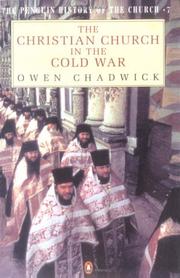
The Christian church in the Cold War
From the end of the Second World War until the rise of Gorbachev the division of Europe was the central fact in world politics - for individuals, nations and the different Christian Churches. Amid the ferocious polemics of the Cold War era neutrality was impossible. The pressures of modernity led to the Second Vatican Council and affected Churches on both sides of the Iron Curtain. Almost all had to adapt to declining congregations, concerns about human rights and women's role in religion, and new attitudes to abortion, contraception and divorce. Yet day-to-day problems in the East and West were utterly different. In Eastern Europe, the Churches were victims of state control, savage ideological attacks, show trials and occasional physical violence. Critics dwelt on their sometimes inglorious record of compromise and collaboration under fascist regimes, despite the crucial role of the religious resistance in fighting Nazism. Later Church leaders - Catholic, Protestant and Orthodox - often continued to tread a delicate path, but Polish priests helped to oversee the birth of Solidarity, and oppressed nations drew hope from the symbols and ceremonies of their Christian past. Successive
For young readers
Book data: Open Library