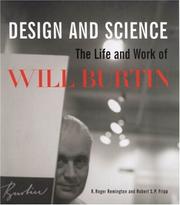
Design and science
by R. Roger Remington, Robert S. P. Fripp
It has been said that Will Burtin (1908-1972) was to graphic design what Albert Einstein was to physics. Burtin pioneered important contributions to international typography and visual design. He is best known as the world leader in using design to interpret science; as a proponent of 'clean', uncluttered sans-serif typography; and for his large-scale three-dimensional models, which carried the craft and the art of display to new heights. His walk-through models included a human blood cell (1958) and brain functions (1960). His major achievement, his clarity and ingenuity with models and graphics' made complex information easy to assimilate. Early success in his native Germany brought Burtin unwelcome attentions from Nazi leaders courting his services. He fled with his Jewish wife to the United States. Within months he won the prestigious contract to create the Federal Works Agency exhibit for the 1939 New York World's Fair. The wartime Office of Strategic Services drafted Burtin to create Air Force gunnery manuals, cutting recruits' training from six months to six weeks. In 1945, with the U.S. still at war, Fortune magazine lobbied to extract Burtin from the Army in order to appoi
For young readers
Book data: Open Library