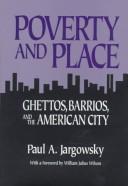
Poverty and place
Today more than eight million Americans live in neighborhoods of extreme economic deprivation, social isolation, and often terrifying violence. The number of ghettos, barrios, and slums in the United States has more than doubled since 1970, and the proportion of the poor who live in them has risen dramatically. Policymakers and the public alike are increasingly concerned about the emergence of an "underclass" population in these blighted neighborhoods. Poverty and Place addresses these concerns with a comprehensive investigation into the extent of extreme neighborhood poverty across America and an account of the forces fueling its growth. Poverty and Place documents the geographic spread of the nation's ghettos and shows how economic shifts have had a particularly devastating impact on certain regions, particularly in the "rust-belt" states of the Midwest. Paul Jargowsky's thoughtful analysis of the causes of ghetto formation clarifies the importance of widespread urban trends, particularly those changes in the labor and housing markets that have fostered income inequity and segregated the rich from the poor. Jargowsky also examines the sources of employment that do exist for ghett
For young readers
Book data: Open Library