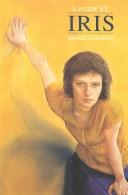
I haven't read a new poem for years as extravagantly daring as Mark Jarman's IRIS. This strange and obsessive narrative risks violating almost every preconception we have about how a serious contemporary poem should behave. First, IRIS risks seeming unoriginal. The poem is a passionate homage to Robinson Jeffers, our most neglected modern master. Jarman borrows Jeffers' line, his voice, his landscapes, and his vision. Eventually he even borrows Jeffers himself by making. His imagined ghost the tragic chorus of this feverish drama. But the sheer audacity of Jarman's appropriations - like Blake recasting Milton or Pound impersonating Propertius - becomes something more wildly innovative and astonishing than those tame adjustments of theme and style we normally praise as originality. Next, IRIS risks being earnest. In an age when literary criticism celebrates irony, ambivalence, and indeterminacy, Jarman resolutely insists that poetry can. Truthfully explore matters of mortal consequence. IRIS is the story of a woman who refuses to be crushed by the sordid circumstances of her life - the poverty and drugs, the violence and unredemptive love. In a better world she would have been an ar
For young readers
Book data: Open Library