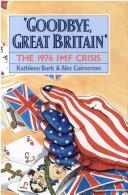
Goodbye, Great Britain
In March 1976 the value of the British pound began to slide. The slide turned into a rout and triggered an economic and political trauma. By September confidence in the pound had collapsed. In April 1975 the Wall Street Journal had run the headline 'Goodbye, Great Britain, ' advising investors to get out of sterling. Now the British Labour government under its new Prime Minister James Callaghan was forced to seek help from the International Monetary Fund, a familiar option for Third World countries but highly unusual for a developed western economy. This expert new study uncovers the roots of the most searing economic crisis of postwar Britain. The weakness and instability of the British economy in the mid-1970s, the consequence in part of the 1973 rise in oil prices, raised international alarm. The US government in particular feared economic crisis would drive Britain into a left-wing siege economy, endangering NATO and the EEC.^ Anticipating the danger, the US Treasury set out to force Britain to make major domestic policy changes. The sterling crisis provided the opportunity. The IMF provided the weapon. Arriving in London in November 1976, the IMF mission announced that the pri
For young readers
Book data: Open Library