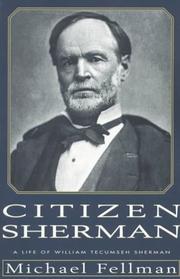
Citizen Sherman
The battles of the Civil War become background scenery in this long, sober examination of the mind and personality of Cump Sherman, 19th-century American military icon. William Tecumseh Sherman's father named him after a famous Indian chief. At age nine, after his father died, he was taken into the politically powerful Ewing family of Lancaster, Ohio. He sailed through West Point, married a Ewing daughter, drifted through a mediocre military career and a disastrous business one. He returned to the Army but suffered a near nervous breakdown in the early months of the Civil War. Then, after he and Grant won the Battle of Vicksburg, Sherman transformed himself into the most successful and ruthless American general of his age. He was also an outspoken racist, a compulsive womanizer, an oppressive father, and a man with strongly held antidemocratic political views. He court- martialed a civilian newspaper reporter who had written a viciously unfair article about him. In relating the life of the man best known for his ultradestructive 1864 march through Georgia, Fellman (History/Simon Fraser Univ., Canada; Inside War, not reviewed) concentrates on sketching a psychological portrait rathe
For young readers
Book data: Open Library