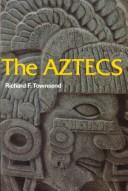
Today the Aztecs seem a remote, alien people. Warlike and bloodthirsty, they are best known as the practitioners of human sacrifice. Yet their creative achievements are impressive: within the space of a hundred years they established the largest empire in Mesoamerican history, and at Tenochtitlan built a vast, shimmering city in a lake, a Venice of the New World whose temple-pyramids, elegant plazas and thronging markets defied the descriptive powers of the. Conquistadors. Richard Townsend presents the first fully rounded portrait of the Aztecs, integrating military, economic and symbolic approaches to reconcile the apparently contradictory aspects of their culture. He begins with a dramatic narrative of the Spanish conquest and then charts the rise of the Aztecs from humble nomads to empire builders. He shows how war and human sacrifice did indeed act as instruments of terror, but also how their deeper significance lay in. The Aztec belief that the shedding of human blood ensured fertility of the land and renewal of the seasons. Chapters on the ancient deities and festival calendar, the New Fire ceremony and sacred rain-mountains, as well as kingship rites, explore this all-pervad
For young readers
Book data: Open Library