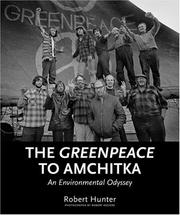
The Greenpeace to Amchitka
An Environmental Odyssey
Greenpeace is known around the world for its activism and education surrounding environmental and biodiversity issues. With a presence in more than forty countries across Europe, the Americas, Asia, and the Pacific, Greenpeace is undoubtedly a dominant force in the realm of environmental activism. This is the story of how Greenpeace came to be.In September 1971, a small group of activists boarded a small fishing boat in Vancouver, Canada, and headed north towards a tiny island, Amchitka, west of Alaska in the Aleutian Islands, where the U.S. government was conducting underground nuclear tests. Among the people sardined in the fishing boat were Robert Hunter and Robert Keziere.At that time, protesting against nuclear testing was not common, yet the U.S. tests raised genuine concerns: Amchitka is not only the last refuge for a number of endangered wildlife, but is located in a geologically unstable region, one of the most earthquake-prone areas in the world. The threat of a nuclear-triggered earthquake or tsunami was real.The boat, named the Greenpeace by the small group of men aboard, raced against time as it crashed through the Gulf of Alaska, braving the oncoming winter storms. Th
For young readers
Book data: Open Library